
 By
By 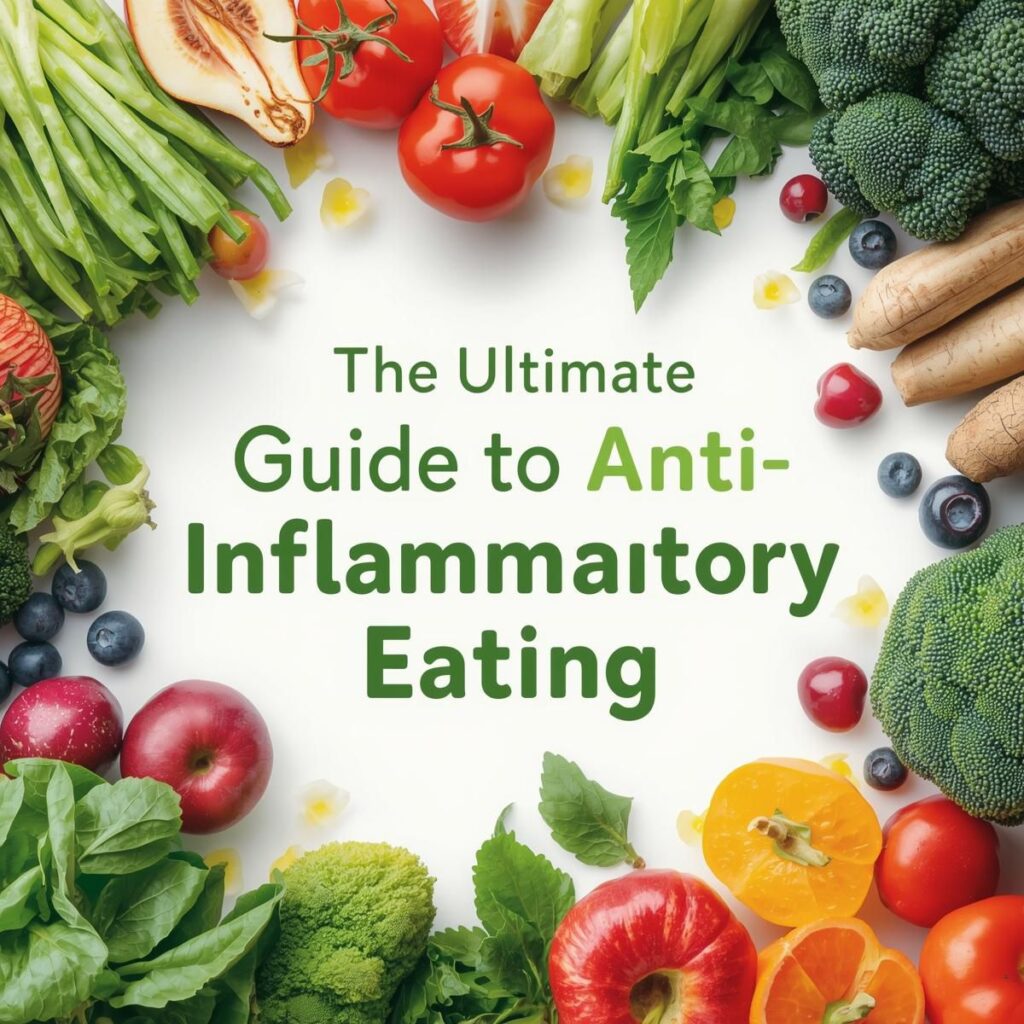
Introduction
Inflammation is the body’s natural response to injury or infection, but when it becomes chronic, it can contribute to serious health problems such as heart disease, arthritis, diabetes, and autoimmune disorders. The foods consumed daily play a major role in either fueling or fighting inflammation. Adopting an anti-inflammatory diet can help reduce chronic inflammation, improve energy levels, and support long-term health.Core Principles of Anti-Inflammatory Eating
An anti-inflammatory diet focuses on whole, nutrient-rich foods that help the body maintain balance and reduce oxidative stress. The goal is to nourish the body with ingredients that naturally calm inflammation.
Key Guidelines:
Choose whole, unprocessed foods
Eat a variety of colorful fruits and vegetables
Include healthy fats from natural sources
Limit refined sugars and processed foods
Stay hydrated throughout the day
Best Anti-Inflammatory Foods
1. Fatty Fish
Salmon, sardines, and mackerel are rich in omega-3 fatty acids, which help lower inflammation and support heart health.
2. Leafy Greens
Spinach, kale, and collard greens are packed with antioxidants, vitamins, and minerals that protect cells from damage.
3. Berries
Blueberries, strawberries, and blackberries contain anthocyanins, compounds known for their anti-inflammatory and antioxidant effects.
4. Olive Oil
Extra virgin olive oil provides monounsaturated fats and polyphenols that reduce inflammation and support cardiovascular health.
5. Nuts and Seeds
Almonds, walnuts, chia seeds, and flaxseeds are excellent sources of healthy fats, fiber, and plant-based protein.
6. Turmeric
Curcumin, the active compound in turmeric, has powerful anti-inflammatory and antioxidant properties. Pair it with black pepper for better absorption.
7. Green Tea
Green tea is rich in catechins, which help reduce inflammation and protect against cell damage.
8. Garlic and Onions
Both contain sulfur compounds that enhance immune function and reduce inflammatory markers in the body.
Foods to Limit or Avoid
Certain foods can trigger inflammation and should be minimized for optimal health.
Processed meats such as bacon, sausages, and hot dogs
Refined carbohydrates like white bread and pastries
Sugary drinks and snacks
Fried foods and trans fats
Excessive alcohol consumption
Sample 1-Day Anti-Inflammatory Meal Plan
Breakfast:
Oatmeal topped with blueberries, chia seeds, and a drizzle of honey
Processed meats such as bacon, sausages, and hot dogs
Refined carbohydrates like white bread and pastries
Sugary drinks and snacks
Fried foods and trans fats
Excessive alcohol consumption
Sample 1-Day Anti-Inflammatory Meal Plan
Breakfast:
Oatmeal topped with blueberries, chia seeds, and a drizzle of honey
Lunch:
Grilled salmon with quinoa and steamed spinach
Snack:
Handful of walnuts and a cup of green tea
Dinner:
Turmeric-spiced lentil soup with a side of mixed greens and olive oil dressing
Dessert:
Fresh fruit bowl with a sprinkle of cinnamon
Lifestyle Habits That Support
Anti-Inflammatory Eating
Exercise regularly: Engage in moderate physical activity such as walking, yoga, or cycling.
Manage stress: Practice meditation, deep breathing, or journaling to reduce stress-related inflammation.
Get quality sleep: Aim for 7–8 hours of rest each night to allow the body to repair and recover.
Avoid smoking: Tobacco use increases inflammation and oxidative stress.
Conclusion
An anti-inflammatory diet is a sustainable approach to better health. By focusing on whole foods, healthy fats, and mindful eating habits, it’s possible to reduce chronic inflammation and enhance overall well-being. Small, consistent changes in daily food choices can lead to lasting improvements in energy, mood, and long-term vitality.